1. Home
  2. »
  3. Airtightness Compliance
  4. »
  5. Author Blogs

Everything You Need to Know About ISO 14644

A Practical Guide for Architects, Engineers, and Cleanroom Projects in Australia

From high-tech manufacturing to sterile pharmaceutical hubs, the integrity of a controlled environment hinges on ISO 14644 compliance. For Australian architects and engineers, designing to these standards is not just about particle counts – it is about risk mitigation, structural performance, and meeting stringent NATA and TGA requirements.

This guide breaks down the technical nuances of the ISO 14644 framework to ensure your next project is certified, compliant, and high-performing.

What Is ISO 14644 and Why It Matters in Australia

ISO 14644 is the international benchmark for cleanroom classification, testing, and operation. It defines how clean the air must be based on particle concentration. In Australia, ISO 14644 is widely used across:
  • Pharmaceutical and biotech facilities
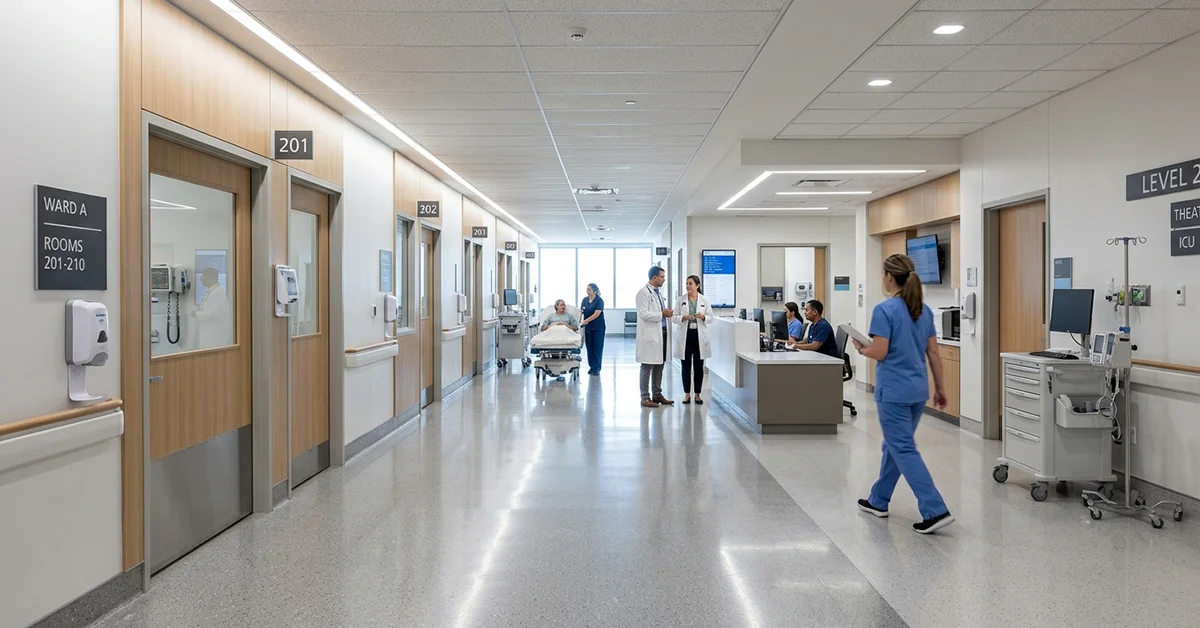
  • Hospitals and operating theatres
  • Semiconductor and precision manufacturing
  • Research laboratories and universities
It also works alongside standards like:
  • AS 2252 (cleanroom construction and performance)
  • NCC (National Construction Code)
  • GMP guidelines for pharmaceutical environments.
In practice, ISO 14644 is what engineers use to measure performance, while AS 2252 helps guide how to build it.

Understanding ISO Cleanroom Classifications

Cleanrooms are classified based on maximum allowable airborne particles per cubic metre.

ISO Classes at a Glance

The lower the number, the cleaner the air.

ISO Class

Cleanliness Level

Typical Applications

ISO 5

Ultra-clean

Aseptic filling, critical pharma

ISO 6

Very clean

Medical devices, biotech

ISO 7

Controlled

Operating theatres, labs

ISO 8

Basic control

General manufacturing

The ISO 14644 Series (What You Actually Need to Know)

ISO 14644 isn’t one document. It’s a system.

Understanding ISO 14644-1: The Foundation of Air Cleanliness

Defines particle limits and ISO class levels. This is where “ISO 7 cleanroom” comes from.

At the core of any controlled environment project is ISO 14644-1. This part defines the classification of air cleanliness by particle concentration. For engineering specifications, it is critical to define the target ISO Class (1 through 9) based on the specific sensitivity of the facility.

The ISO Classification Formula

To calculate the maximum permitted concentration Cn for a specific particle size, engineers refer to the following relationship: C n = 10 N × ( 0.1 D ) 2.08

Where:

  • Cn is the maximum permitted concentration (particles/m3.
  • N is the ISO Class number.
  • D is the particle size in micrometers (µm).

Defining Occupancy States for Technical Specifications

A common pitfall in cleanroom tenders is failing to specify the occupancy state. Per ISO 14644, performance must be verified at three distinct stages:

  1. As-built: The installation is complete with all services functioning, but no equipment or personnel are present.
  2. At-rest: The facility is complete and equipment is installed and operating, but no personnel are present.
  3. Operational: The facility is functioning in its normal specified mode with the specified number of personnel present and working.

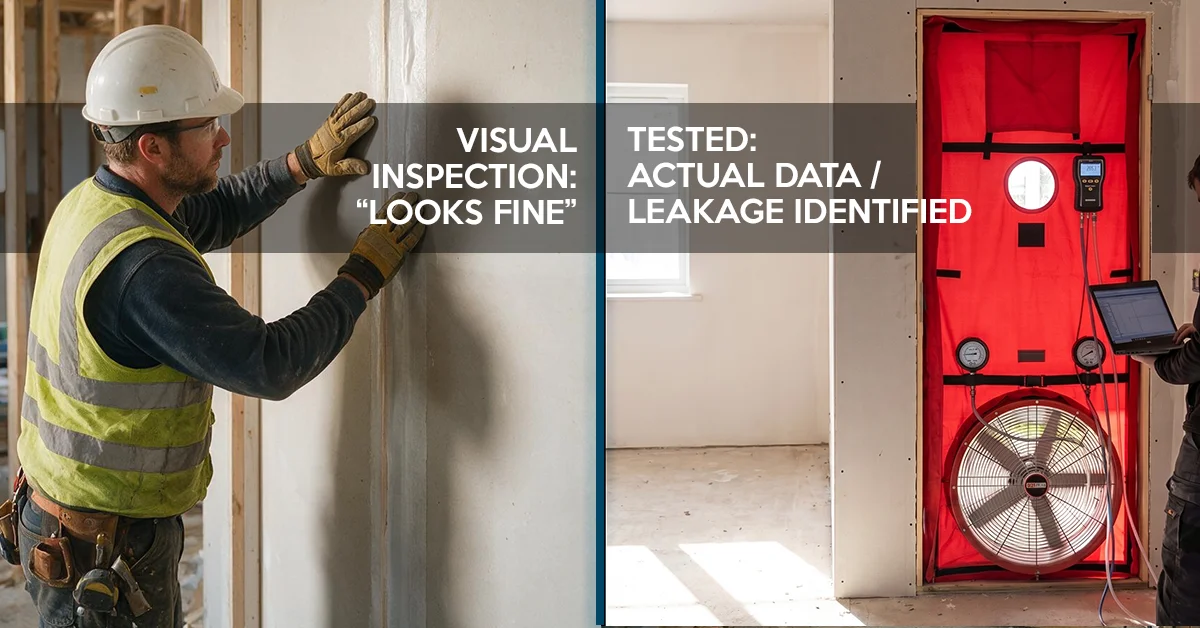
Pro Tip: In the Australian market, ensuring as-built airtightness is a prerequisite for achieving operational ISO 14644 targets efficiently.

ISO 14644-2 – Monitoring

Outlines how to maintain compliance over time. Not a one-off test. Ongoing verification is required.

ISO 14644-3: Testing and Validation Methods

To achieve NATA accredited cleanroom testing in NSW, VIC, or QLD, the facility must undergo rigorous validation including:

  • Airflow Visualization (Smoke Testing): To confirm laminar or turbulent flow patterns.
  • Filter Leak Testing: Ensuring HEPA/ULPA integrity.
  • Recovery Tests: Measuring how quickly the room returns to its specified cleanliness level after a contamination event.

ISO 14644-4: Design and Construction

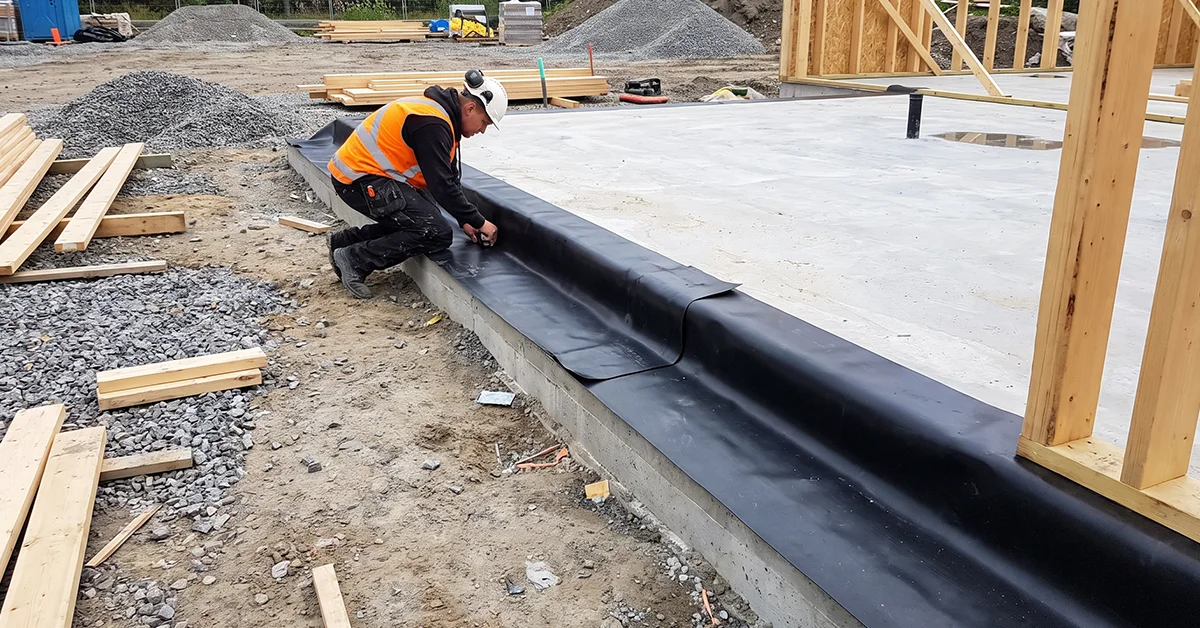
This section is the “blueprint” for architects. It covers the physical requirements of the envelope, including material selection, airlock configurations, and the integration of HVAC systems.

In Australia, this must often align with NCC 2022/2025 Section J requirements for energy efficiency and thermal performance.

ISO 14644-5: Operations

Focuses on:

  • Cleaning protocols
  • Staff behaviour
  • Maintenance

Even a perfectly designed cleanroom fails with poor operation.

Key Design Considerations for Architects and Engineers

If you’re specifying or designing a cleanroom in Australia, these are non-negotiables:

Airflow Strategy

• Laminar vs turbulent flow
• Ceiling HEPA coverage
• Return air pathways

Airflow is the backbone of contamination control.

Air Changes Per Hour (ACH)

Typical ranges:
• ISO 7: 30–60 ACH
• ISO 5: up to 240+ ACH

Higher ACH means better dilution of contaminants, but also higher energy costs.

Filtration Systems

Typical ranges:
• HEPA (99.97% efficiency at 0.3 µm)
• ULPA (higher efficiency for critical zones)

Pressure Differentials

Typical ranges:
• Positive pressure prevents contamination ingress
• Pressure cascades between zones are critical

Material Selection

Typical ranges:
• Non-shedding surfaces
• Easy-to-clean finishes
• Airtight construction

Engineering Airflow Dynamics: Laminar vs. Turbulent Flow

The choice of airflow pattern is the primary driver of the HVAC design and the eventual ISO classification.

  • Unidirectional (Laminar) Flow: Essential for ISO Class 5 and cleaner. Air moves in a single direction at a uniform velocity (typically 0.45 m/s ± 20%) to “sweep” particles away from the work zone.
  • Non-unidirectional (Turbulent) Flow: Common for ISO Class 6 to 9. Air is introduced via ceiling diffusers and mixed with room air to dilute contaminants.

Why Local Compliance Matters: NATA, TGA, and Australian Standards

Building a cleanroom in Australia requires more than just following international ISO standards. Local regulatory bodies like the Therapeutic Goods Administration (TGA) have specific annexes for medicinal products, while NATA provides the accreditation for the testing agencies that sign off on your build.

Key SEO Keywords for Australian Projects:

  • Cleanroom standards Australia
  • TGA compliance cleanroom design
  • NATA accredited cleanroom testing services NSW/VIC/QLD
  • ISO 14644 monitoring plans engineering consultants
  • Pharmaceutical manufacturing cleanroom guidelines Australia
Blower Door Test

Everything You Need to Know About Blower Door Test

Home What is a Blower Door Test?​ Written by Andrew Champness A Practical Guide for Architects, Engineers, and High-Performance Buildings A blower door test is ...
Read More →
Airtightness Compliance

Everything You Need to Know About AS 2252 in Australia​

Home Everything You Need to Know About AS 2252 in Australia​ A Practical Guide for Architects, Engineers, and Laboratory Projects​ When you’re designing or managing ...
Read More →
Airtightness Compliance

Everything You Need to Know About ISO 14644

Home Everything You Need to Know About ISO 14644 A Practical Guide for Architects, Engineers, and Cleanroom Projects in Australia From high-tech manufacturing to sterile ...
Read More →

Get Expert Advice for Your Next Project

As energy costs rise and government projects demand measurable outcomes, airtightness has become a core performance metric.

Whether you are targeting NABERS ratings, Green Star certification, or standard NCC compliance, getting the details right at the design stage is non-negotiable.

Need airtightness testing for compliance or project verification? Submit the form and our team will reach out to you shortly.

Name(Required)
This field is for validation purposes and should be left unchanged.