Everything You Need to Know About Blower Door Test
What is a Blower Door Test?
Written by Andrew Champness
A Practical Guide for Architects, Engineers, and High-Performance Buildings
A blower door test is a diagnostic test used to measure how airtight a building is. It identifies how much air leaks through the building envelope (the walls, ceilings, floors, windows, doors and service penetrations that separate the inside of a building from the outside).
The test uses a large specialist and calibrated fan temporarily installed in an external doorway. This fan either pressurises or depressurises the building, creating a pressure difference between the inside and outside. Sensors then measure how much air the fan must move to maintain that pressure.
The more air required to maintain pressure, the leakier the building.
What Does a Blower Door Test Measure?
A blower door test measures the amount of air leaking through a building envelope. During the test, calibrated fans are used to pressurise or depressurise the building to 50 Pascals (Pa), allowing the total leakage rate to be quantified.
The result can be expressed in different ways depending on the building type and project requirements. Residential projects and standards such as Passive House commonly use Air Changes per Hour at 50 Pascals (ACH50), while commercial projects are typically assessed using air permeability (m³/h/m² @ 50 Pa). ACH is also frequently used by mechanical engineers when discussing ventilation and building pressurisation.
As a general guide: Air Permeability @ 50 Pa
20 m³/h/m²
Very leaky building (about the same a shed)
10–20 m³/h/m²
Typical construction
5–10 m³/h/m²
Good practice
≤5 m³/h/m²
High-performance building
*Lower numbers indicate a tighter, more energy-efficient building envelope.
Why Does Airtightness Matter?
Uncontrolled air leakage can account for a significant portion of a building’s energy loss. It can also lead to:
higher heating and cooling costs
reduced indoor comfort
moisture entering the building structure
poor indoor air quality
Blower door testing allows builders and designers to identify leakage pathways and improve building performance.
When Is a Blower Door Test Performed?
Blower door testing is typically performed:
during construction to identify leaks early
at completion to verify airtightness performance
for energy efficiency verification
for high-performance buildings such as Passive House
As building standards continue to evolve, blower door testing is becoming an increasingly important tool for verifying construction quality and energy performance.
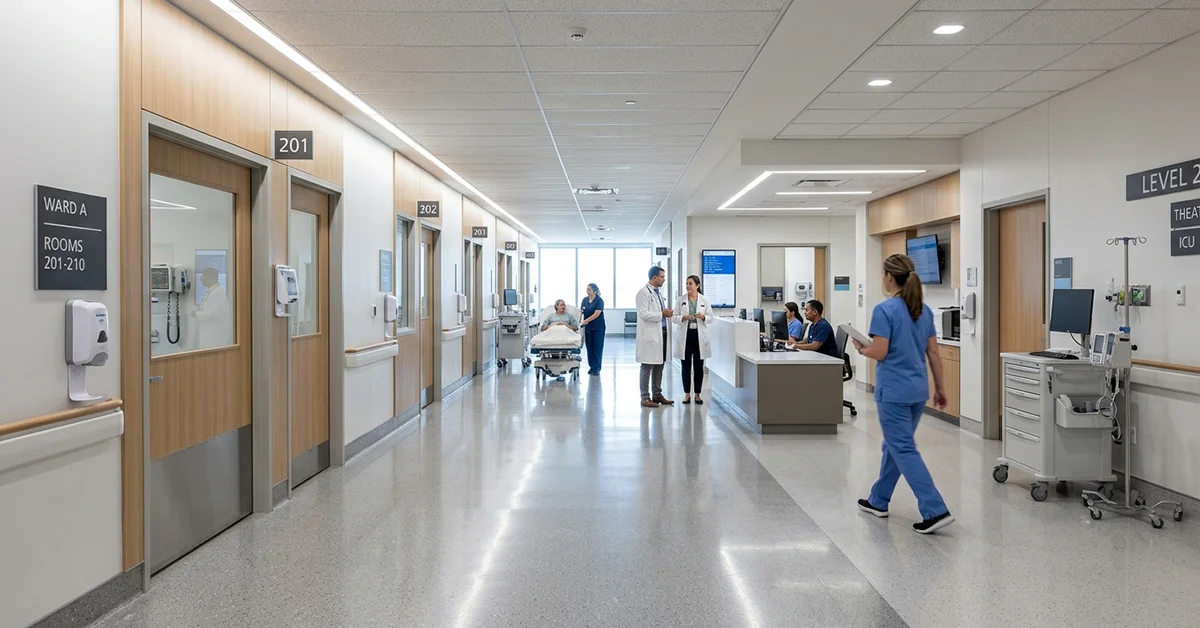
Home Everything You Need to Know About Airtightness Testing for Hospitals and Healthcare Buildings Posted by Joel Symmans Key Takeaways Airtightness testing in hospitals is ...
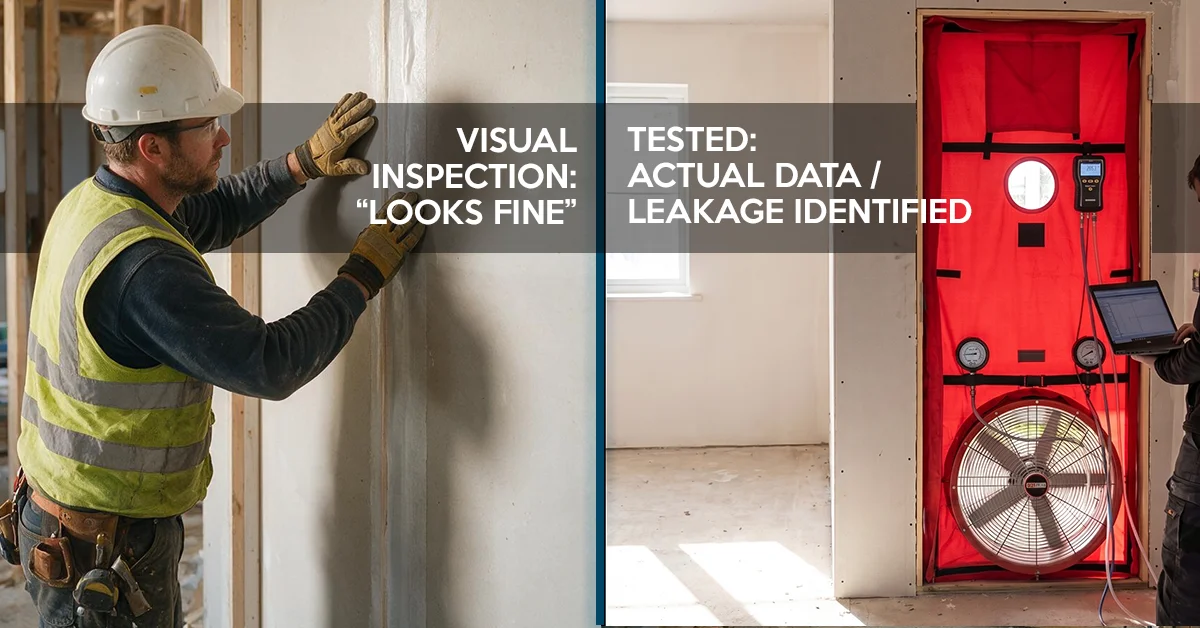
Home Airtightness Compliance: Why Passing Visual Inspection Doesn’t Guarantee You’ll Pass the Test Posted by Joel Symmans Key Takeaways A visual inspection checks whether seals ...
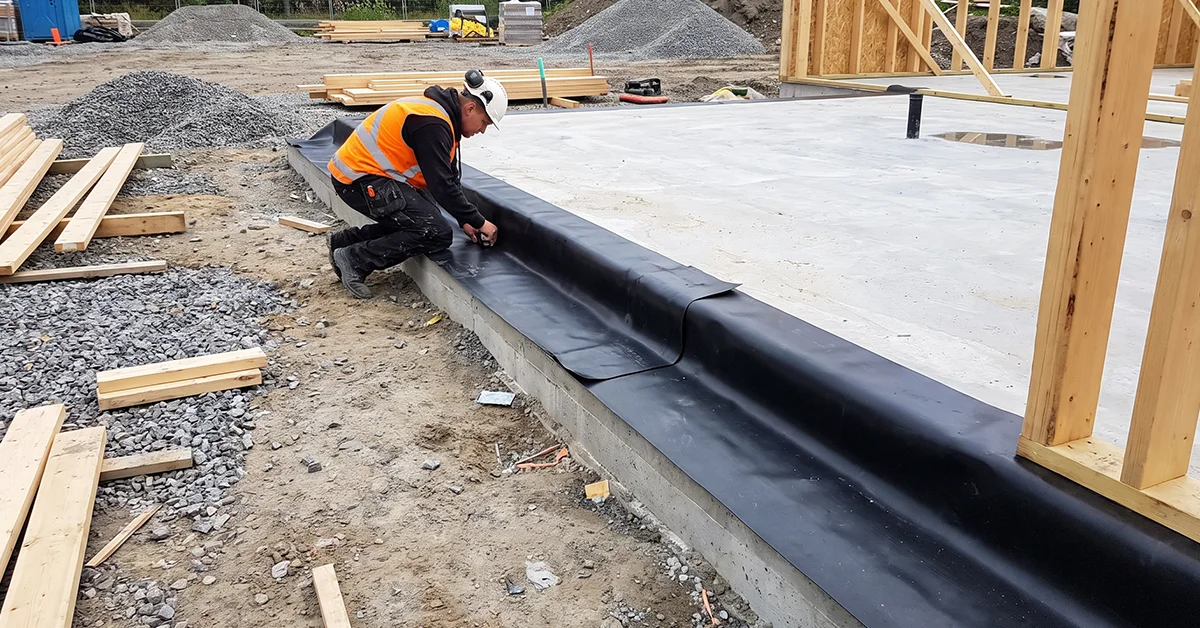
Home How to Seal Slab Edges Properly: The Details Costing Builders First Pass Compliance Posted by Joel Symmans Key Takeaways Most slab edge air leakage ...
As energy costs rise and government projects demand measurable outcomes, airtightness has become a core performance metric.
Whether you are targeting NABERS ratings, Green Star certification, or standard NCC compliance, getting the details right at the design stage is non-negotiable.
Need airtightness testing for compliance or project verification? Submit the form and our team will reach out to you shortly.