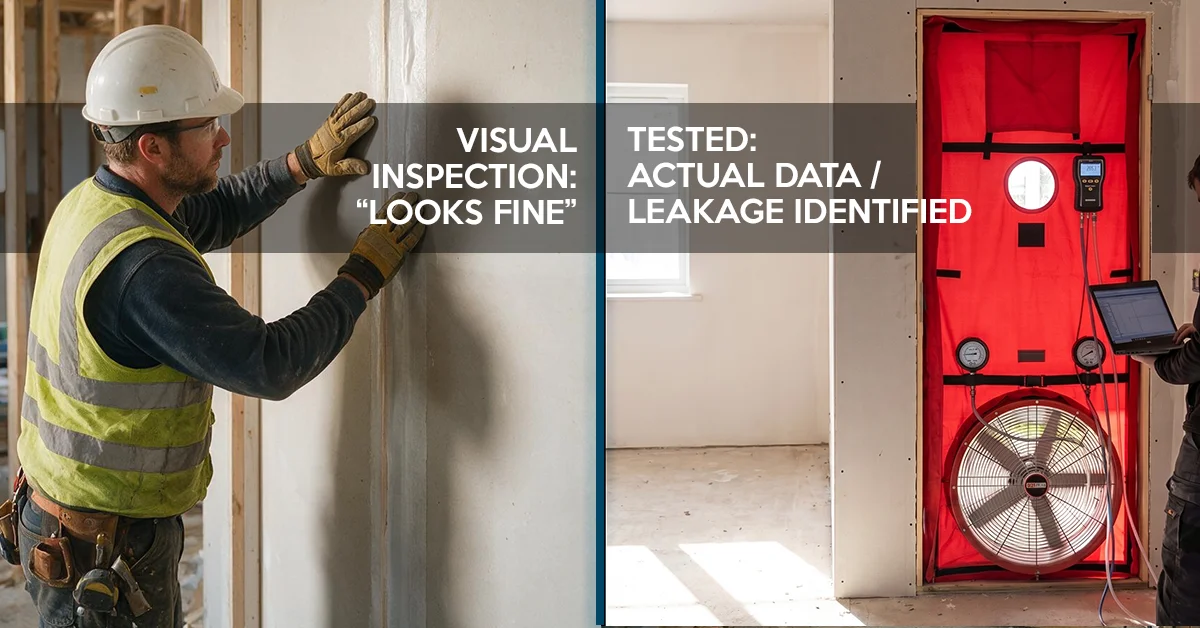
A visual inspection checks whether seals and membranes are present and look correct. It doesn't measure whether air can actually pass through them.
Airtightness compliance in Australia is measured against AS/NZS ISO 9972, using a blower door to pressurise the building to 50 Pa.
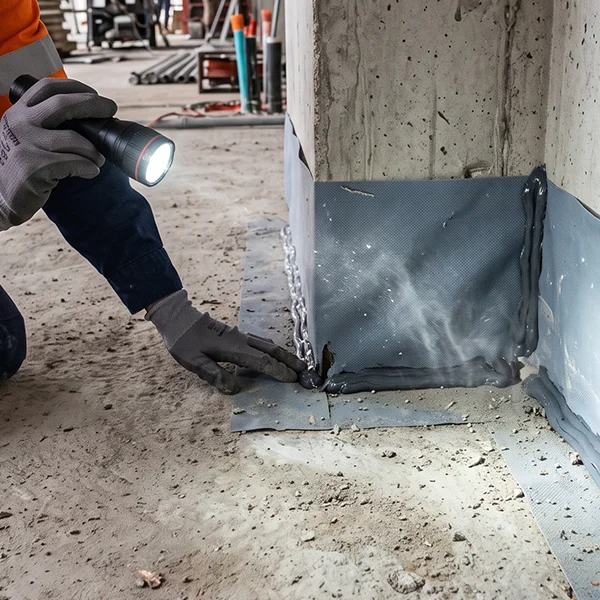
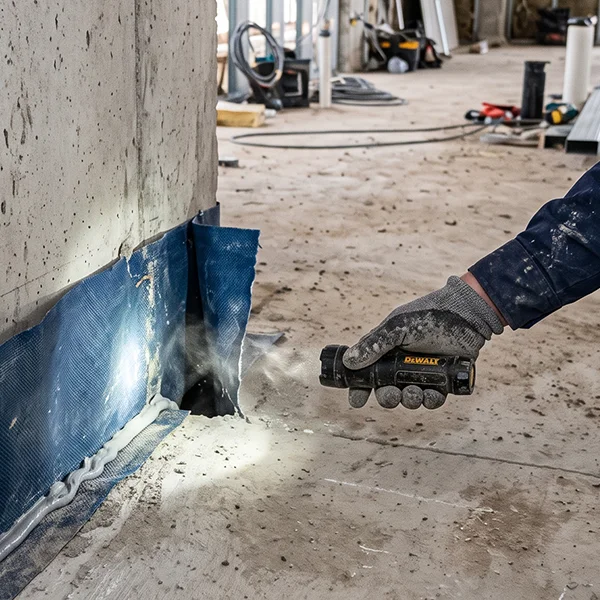
A membrane can be fully installed and still not be continuous, which is invisible to the eye but immediately obvious under test.
Buildings that fail at final test often passed every site walkthrough along the way, because the defects were never designed to be visible.
The only reliable way to confirm compliance is measurement, not inspection, and the earlier that measurement happens, the cheaper any defect is to fix.
Every seal was in place. Every membrane was visible. The site walkthrough ticked every box on the checklist.
Then the blower door went on, and the building failed.
This happens more often than most builders expect, and it isn’t because anyone on site was careless. It’s because visual inspection and airtightness compliance are two different things, measured two completely different ways. One is a judgement call made by eye. The other is a number, measured under pressure, against a standard.
What Visual Inspection Actually Checks
A site walkthrough is built to confirm that work has been done. Is the membrane installed. Is the sealant applied. Are the penetrations closed off. It’s a valuable step, and it catches a genuine share of defects.
But it’s answering a different question to the one airtightness compliance asks. Inspection asks: is this here? Compliance asks: does this stop air?
Those two questions overlap a lot of the time. They don’t overlap all of the time, and the gap between them is exactly where non-compliant buildings slip through.
Why Looking Sealed Isn't the Same as Being Compliant
Reason 01
Membrane That's Present but Not Continuous
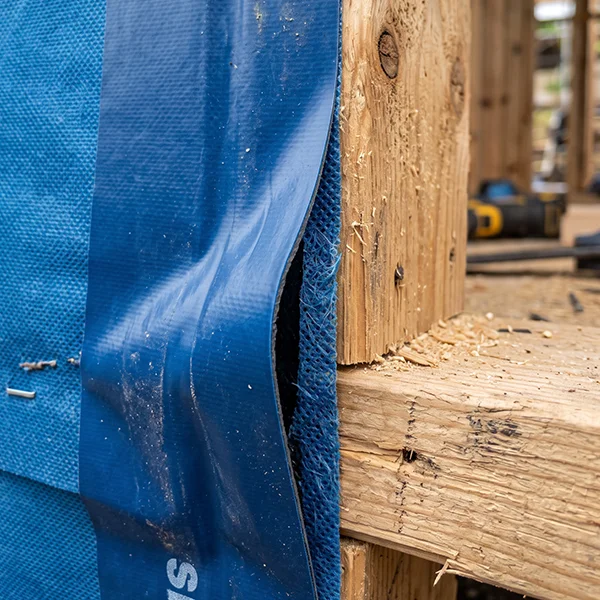
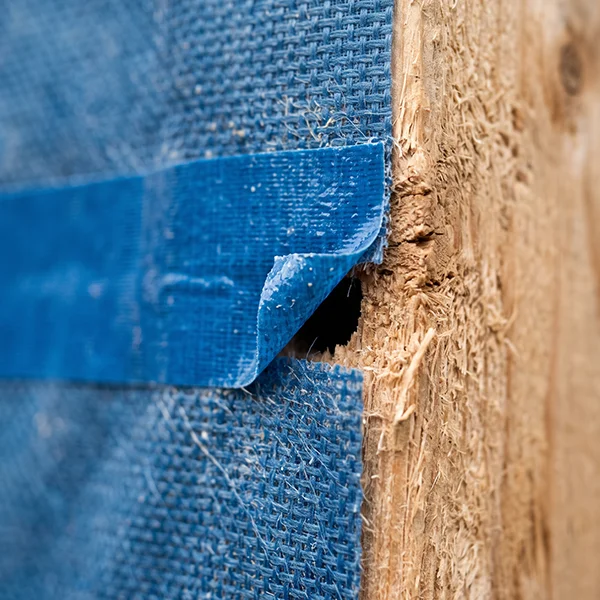
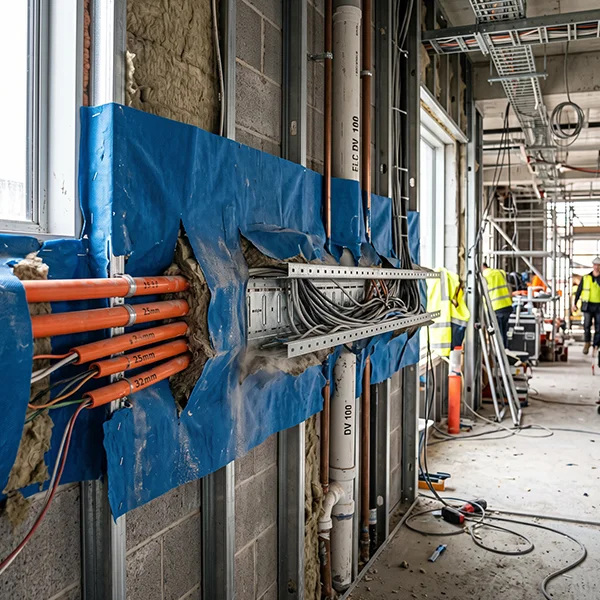
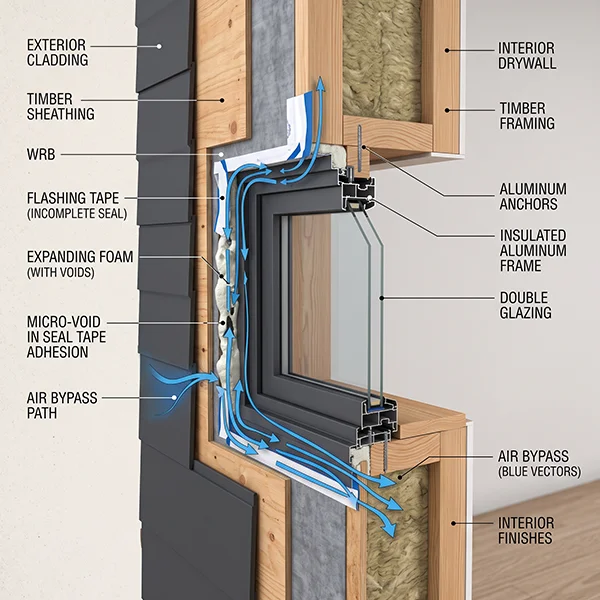
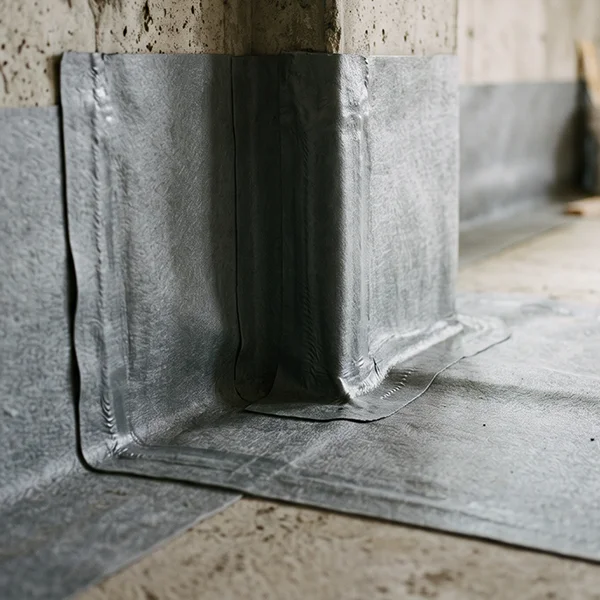
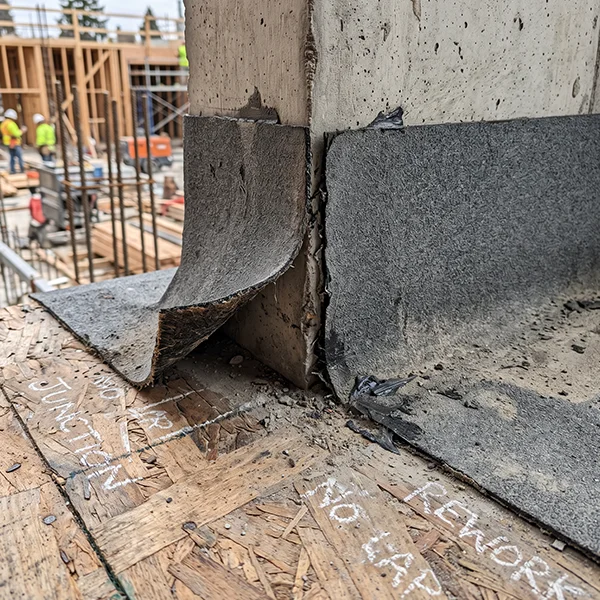
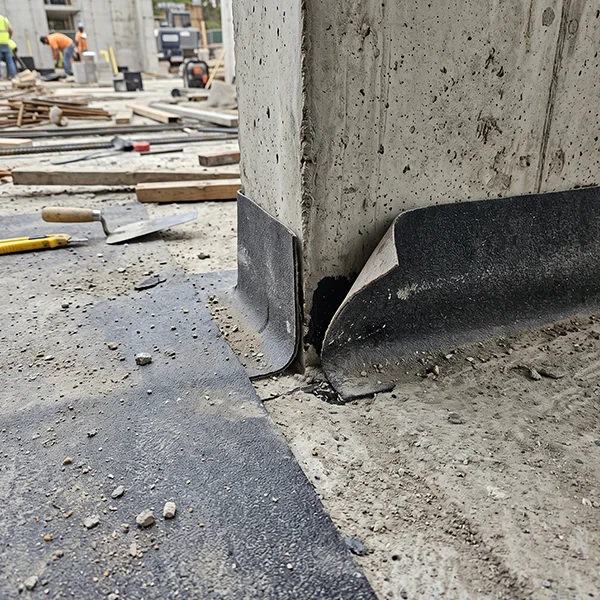
A membrane can be fitted across an entire junction and still fail, because a lap was too short, a corner was cut short, or a join wasn’t pressed home properly. From a metre away it looks finished. Under pressure, that gap becomes a measurable leak path.
Reason 02
Seals That Look Intact With a Gap Behind Them
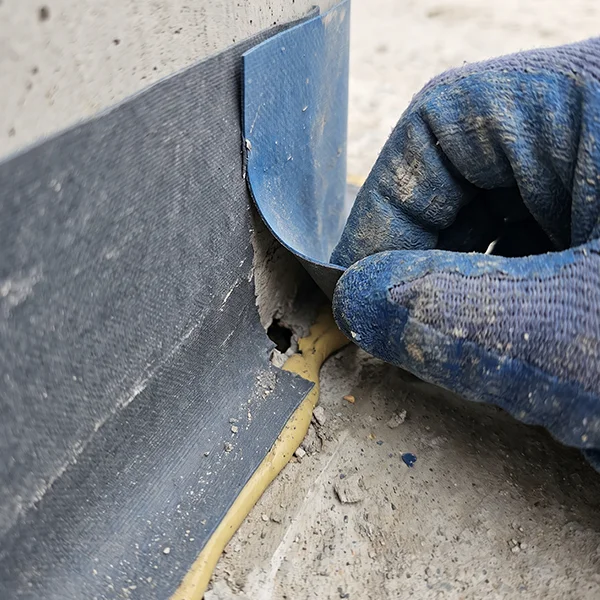
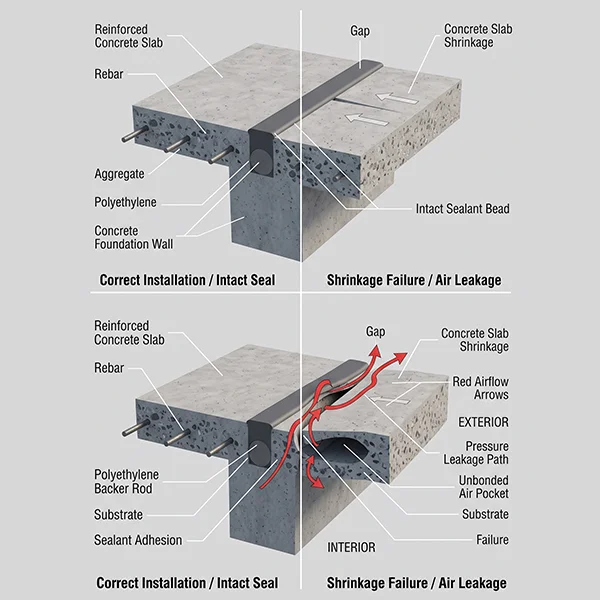
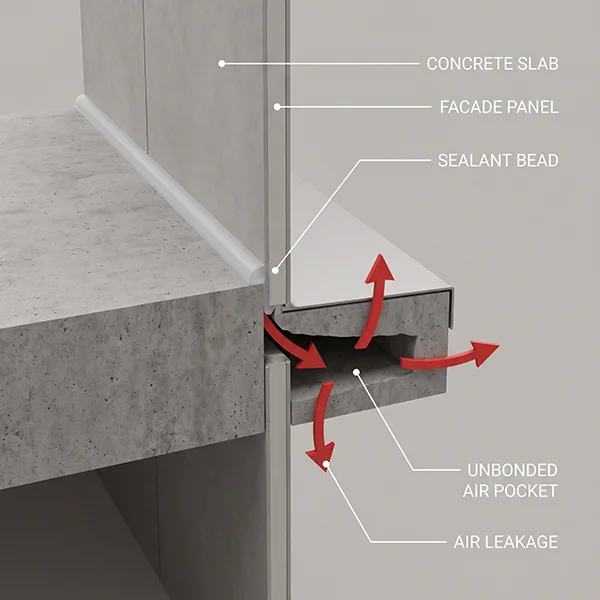
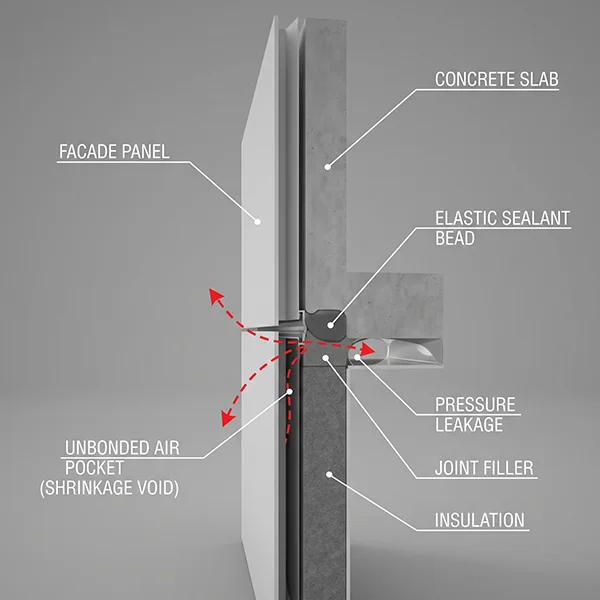
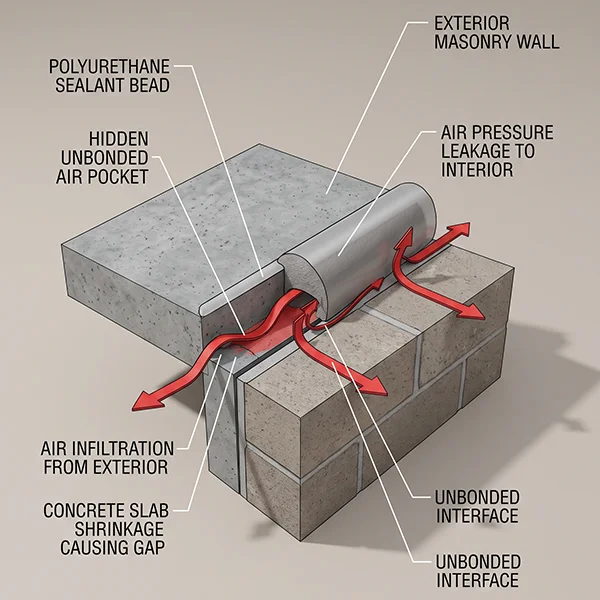
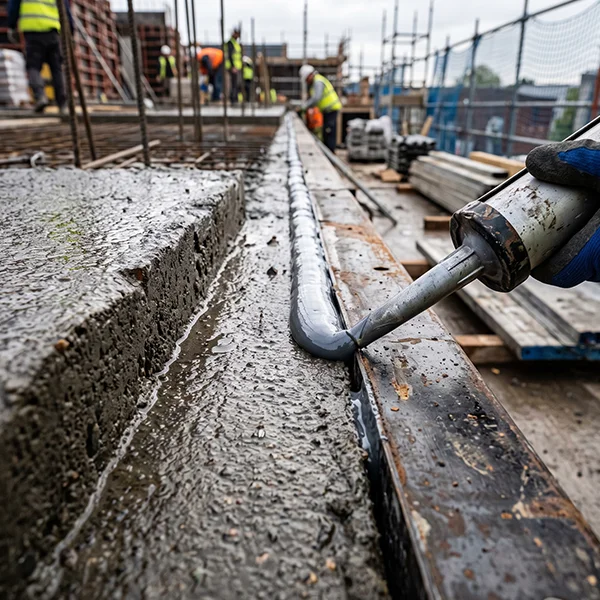
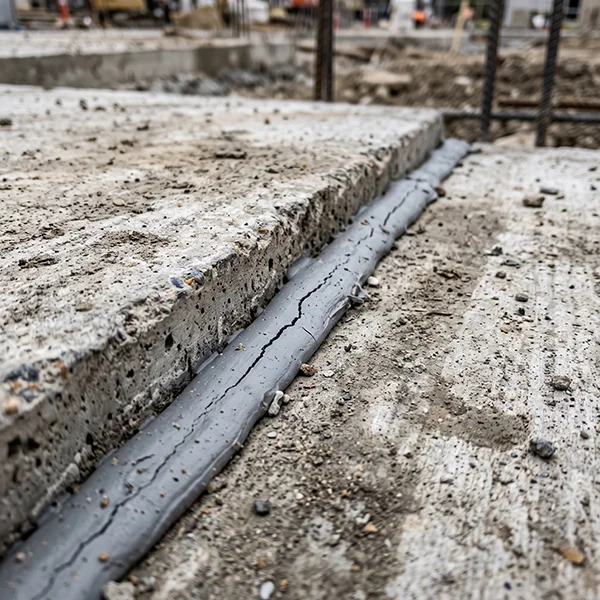
The same applies to sealant beads and door and window seals. A bead of sealant sitting on top of a surface can look continuous while the bond underneath has failed, particularly if it was applied before a slab finished curing and moving. The surface looks fine. The seal isn’t.
Common Defects That Pass Inspection but Fail at 50 Pa
Across projects, the same handful of issues show up again and again:
Defect 01
Sealant applied too early, before movement in the substrate has settled
Defect 02
Membrane butt-jointed instead of properly lapped
Defect 03
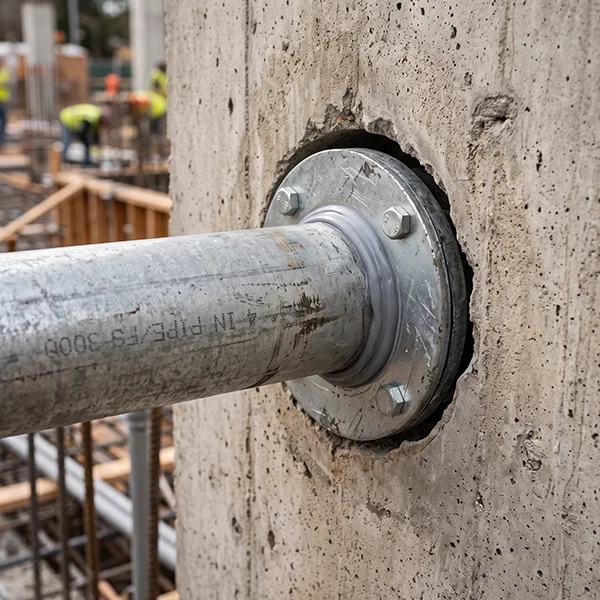
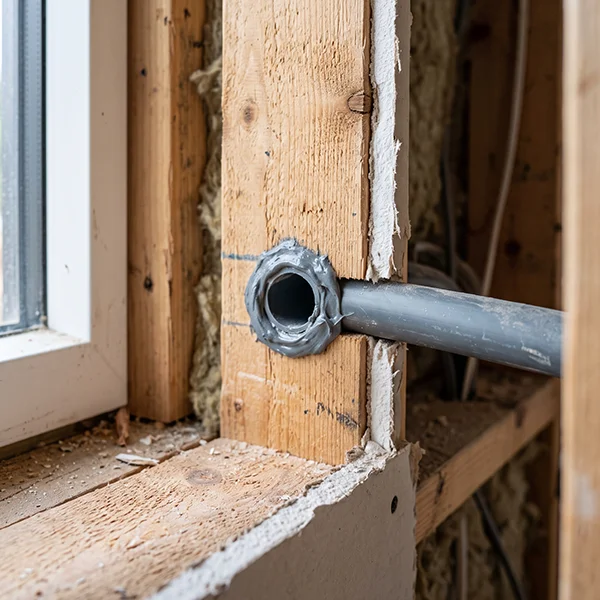
Penetrations sealed around the pipe or conduit itself, but not back to the structural line
Defect 04
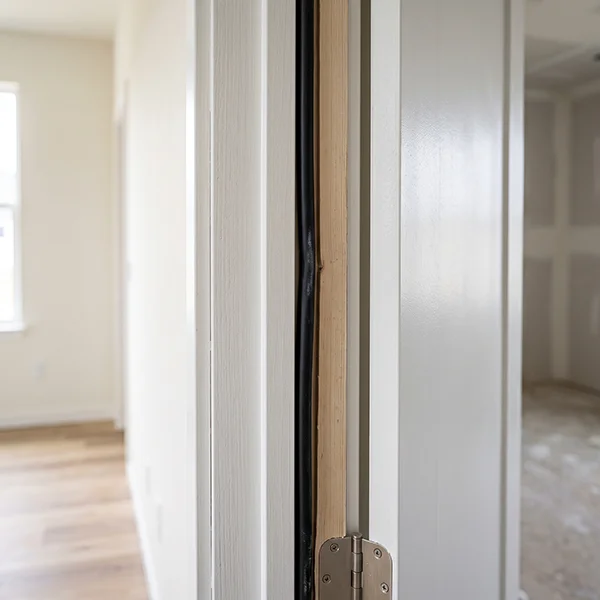
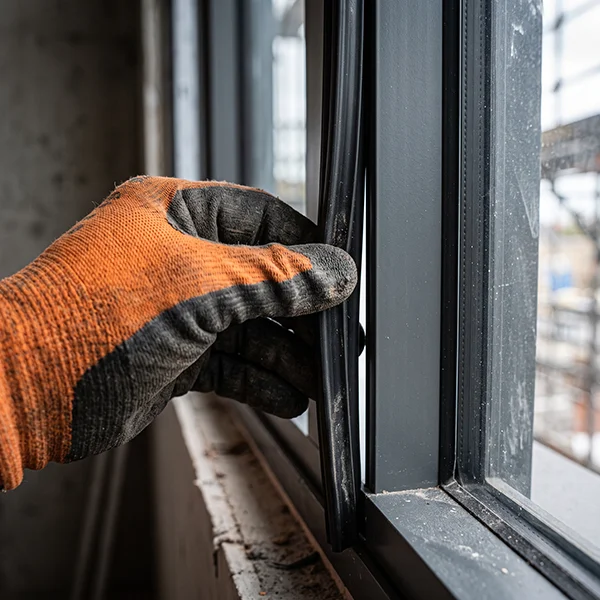
Door and window seals installed but never adjusted after fit-off
Defect 05
Junctions checked for presence, but never checked for continuity
None of these are complicated to fix. All of them are invisible to a standard walkthrough.
How Blower Door Testing Verifies What Inspection Can't
A blower door test pressurises the building envelope to a differential of 50 Pa between inside and outside, then measures exactly how much air moves through the gaps, expressed in m³/h/m² of envelope area. That’s the AS/NZS ISO 9972 standard Aerotight tests against.
Where a walkthrough can only confirm that something is there, a blower door confirms whether it’s actually doing its job. It doesn’t care what a junction looks like. It measures whether air is getting through it, full stop.
What This Means for Builders and Compliance Timelines
The practical risk here is timing. A defect found during a walkthrough weeks before completion is cheap and easy to fix. The same defect found at final compliance testing, after cladding is closed in and trades have demobilised, can mean remobilising subcontractors, unpicking finished work, and a compliance deadline suddenly under real pressure.
That’s the actual cost of relying on visual inspection alone: not the fix itself, but the point in the program where the fix gets found.
The Fix: Building Airtightness Verification Into the Program Early
The reliable answer isn’t a better checklist for the walkthrough. It’s building measurement into the program well before final testing, so the same team that understands the design intent is the one confirming it on site, at a point when defects are still cheap and accessible to fix.
That’s the logic behind design, documentation, site reviews, preliminary testing, and final verification as one continuous process, rather than a test bolted on at the end.
Airtight buildings aren’t achieved through testing. They’re achieved through informed design, consistent implementation, and independent verification by the team that understands the original design intent.
If it matters, measure it. If you measure it, you’ll actually know where you stand, long before final test day forces the issue.
Design. Verify. Deliver.
Get in touch to talk through where airtightness verification should sit in your project program.
Home Everything You Need to Know About Airtightness Testing for Hospitals and Healthcare Buildings Posted by Joel Symmans Key Takeaways Airtightness testing in hospitals is ...
Home Airtightness Compliance: Why Passing Visual Inspection Doesn’t Guarantee You’ll Pass the Test Posted by Joel Symmans Key Takeaways A visual inspection checks whether seals ...
Home How to Seal Slab Edges Properly: The Details Costing Builders First Pass Compliance Posted by Joel Symmans Key Takeaways Most slab edge air leakage ...