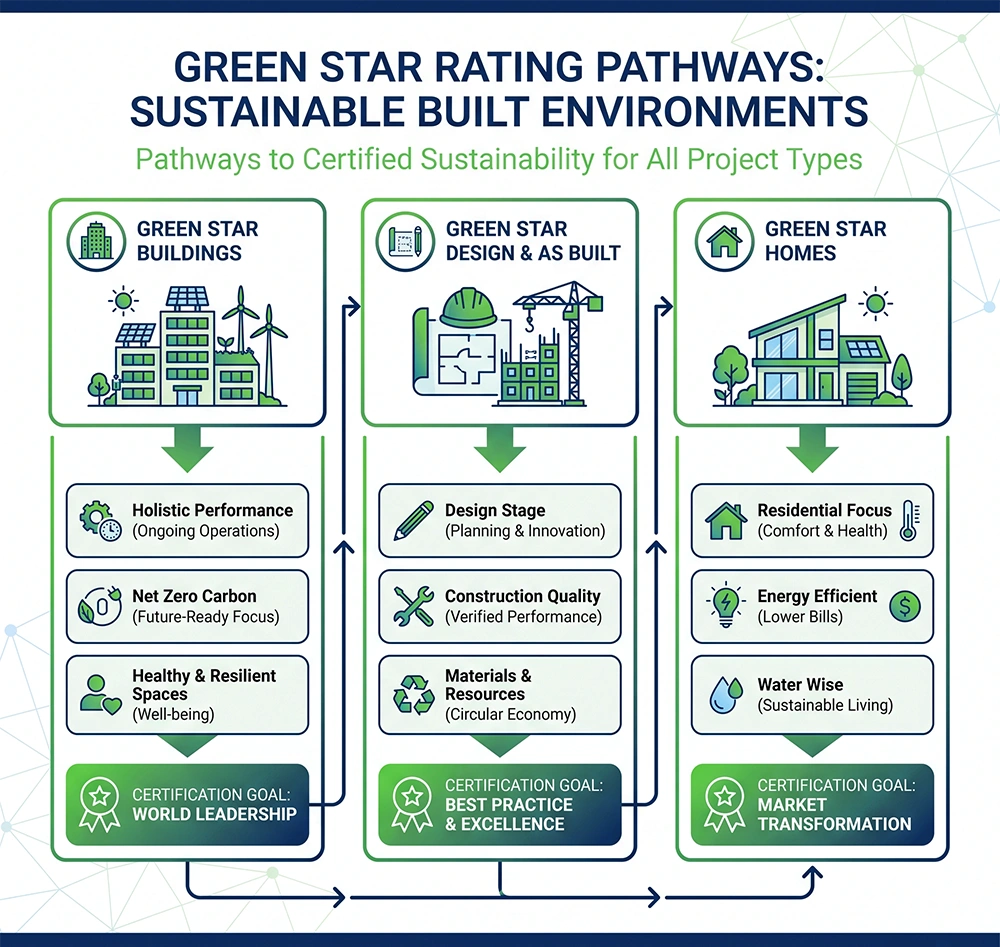
Airtightness is now a minimum expectation under Green Star Buildings, not an optional bonus credit, so it needs to be planned at concept design rather than added later.
Green Star - Design & As Built includes a dedicated air permeability testing criterion, and whole-building testing can also earn an extra innovation point.
Green Star Homes lists airtightness as a named requirement under the Positive Home category, alongside thermal performance, hot water and energy efficient appliances.
Green Star Homes lists airtightness as one of the core requirements for a Positive home.
Airtightness outcomes are set during design and construction, so waiting until testing day to think about it puts your rating at risk.
If you’re chasing a Green Star rating and treating airtightness as a box to tick at the end, it’s worth stopping to check that assumption. It isn’t a minor line item anymore. It’s become one of the clearer expectations in how the Green Building Council of Australia assesses building performance.
Airtightness Is No Longer Optional Under Green Star
Under Green Star Buildings, airtightness is now treated as a minimum expectation rather than a bonus credit. That’s a meaningful shift. A project can no longer quietly skip airtightness performance and still expect to pass through the other environmental categories unaffected. It’s baked into what a compliant, high-performing building now looks like.
For teams used to older rating tool versions, where airtightness sat further in the background, this changes the order of operations. Airtightness planning needs to start at concept design, not get bolted on once services and finishes are being selected.
Where Airtightness Shows Up in the Rating Tools
Green Star Buildings
As above, airtightness sits as a baseline expectation here, tied into the Commissioning and Tuning criteria that verify a building performs the way it was designed to.
Green Star - Design & As Built
This pathway includes a specific air permeability performance testing criterion within the credit structure. On top of that, projects pursuing whole-building airtightness testing can target an additional point through Market Transformation in the Innovation category.
That point sits outside the Green Star Buildings Leadership pathway, so it’s worth checking with your Green Star Accredited Professional whether it applies to your specific registration.
Green Star Homes
For residential projects, airtightness is one of the named requirements under the Positive home category, alongside thermal performance, window systems, hot water, energy efficient appliances and renewable energy.
A home can’t claim that category without addressing airtightness directly.
What Testing Actually Involves
Whole-building airtightness testing under Green Star follows the same principle Aerotight applies across every project: a blower door test measures air leakage through the building envelope, referenced against AS/NZS ISO 9972.
Sample Sizes for Apartment Projects
Not every apartment in a multi-residential project needs testing. Projects can satisfy the testing area requirements by sampling a minimum of 10 dwelling units, or 10% of the total number of units, whichever number is greater.
That’s a meaningful concession for large residential projects, but it also means the sample units chosen need to genuinely represent the wider build, since they’re carrying the result for units that were never tested.
Why Late-Stage Testing Puts Your Rating at Risk
Here’s the problem with treating any of this as an end-of-project formality: by the time you’re booking a Green Star airtightness test, the building envelope is largely finished. If the result comes back short of target, your options for fixing it are limited, expensive, or both.
This is the same principle that applies to airtightness generally. The test doesn’t create the performance, it measures it. The outcome was set months earlier, in how junctions were detailed and how trades sequenced their work on site.
Building Airtightness In From the Start
Projects that treat Green Star airtightness requirements as a design input, not a testing-day surprise, tend to move through certification with far fewer hold-ups. That means involving an airtightness consultant during schematic design, running site audits while the envelope is still accessible, and using preliminary testing to catch problems before they’re locked behind linings, external/internal wraps and cladding.
If your project is targeting Green Star and you want airtightness handled as part of the design process rather than a last-minute scramble, talk to us early in the design phase. The earlier airtightness is on the table, the less it costs to get right.
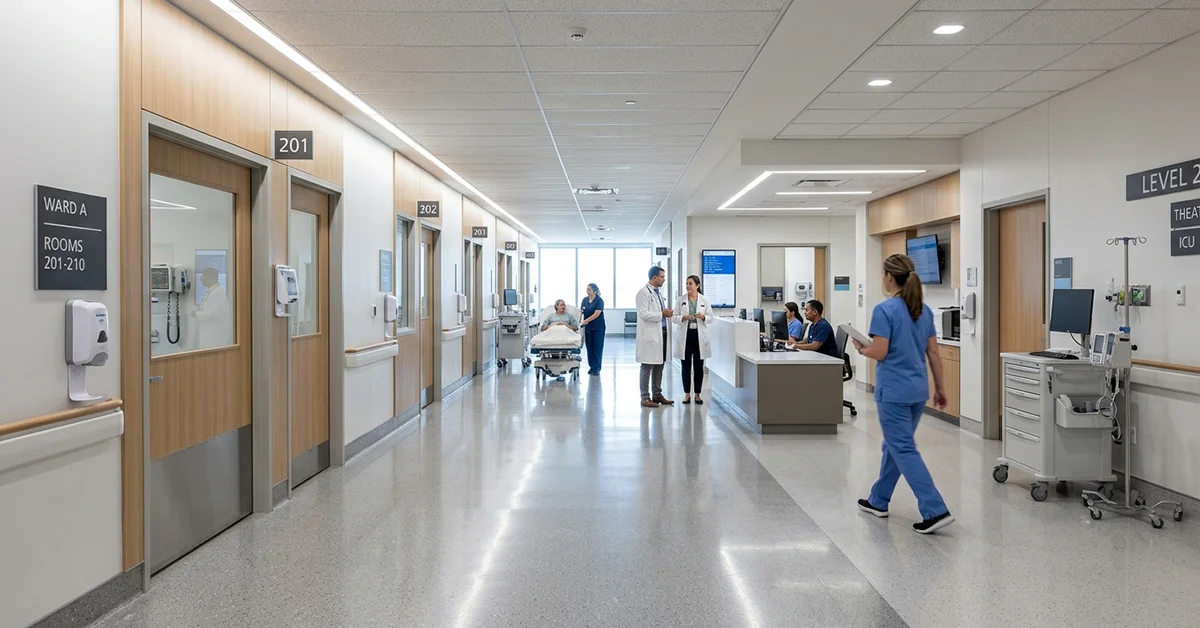
Home Everything You Need to Know About Airtightness Testing for Hospitals and Healthcare Buildings Posted by Joel Symmans Key Takeaways Airtightness testing in hospitals is ...
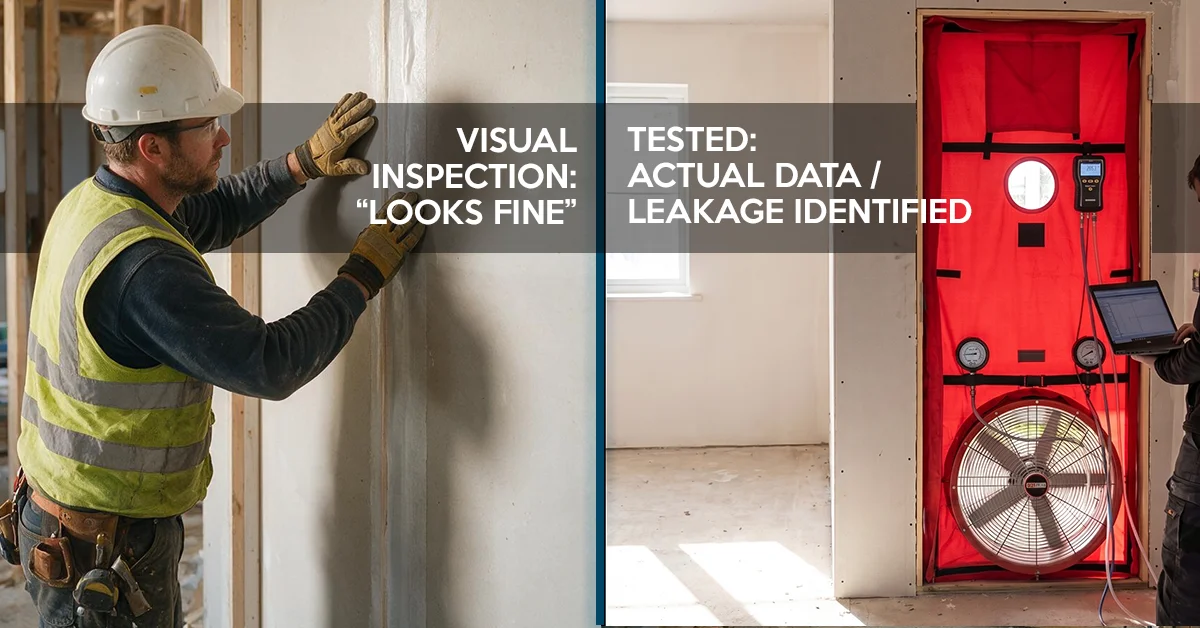
Home Airtightness Compliance: Why Passing Visual Inspection Doesn’t Guarantee You’ll Pass the Test Posted by Joel Symmans Key Takeaways A visual inspection checks whether seals ...
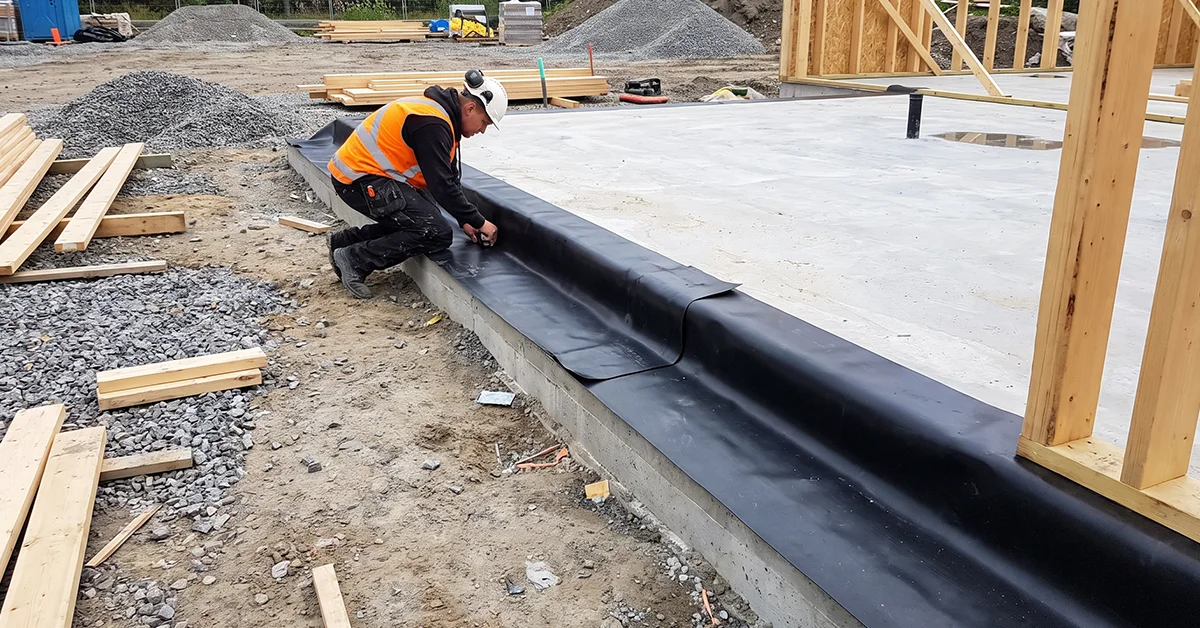
Home How to Seal Slab Edges Properly: The Details Costing Builders First Pass Compliance Posted by Joel Symmans Key Takeaways Most slab edge air leakage ...